Coverage of the Ballmer Institute's work to build a new children's behavioral health workforce.
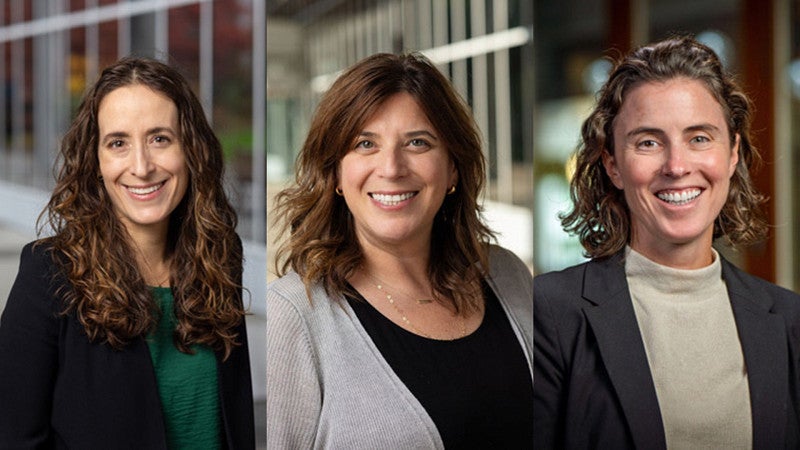
In the APS Observer, Ballmer Institute faculty explain how bachelor's-trained Behavioral Health and Wellness Practitioners can expand access to youth mental health care.
The innovation hub will help partner universities build the country's first bachelor's degree-level child behavioral health profession.
The University of Oregon's Ballmer Institute for Children's Behavioral Health marks an early milestone in its school-based model for expanding the youth mental health workforce, reports The Oregonian.
More Stories
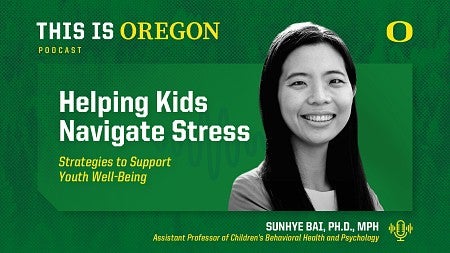
On a recent episode of the This Is Oregon podcast, Ballmer Institute assistant professor Sunny Bai shares research on family life, parent‑child communication, and practical ways to support children as the school year begins.
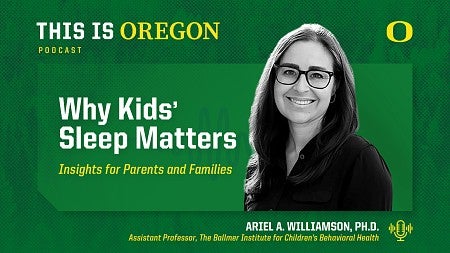
Licensed psychologist and Ballmer Institute assistant professor Ariel Williamson joins the This Is Oregon podcast to explain how children’s sleep habits influence emotional well‑being, behavior, and learning.
Ballmer Institute faculty share practical guidance for parents and caregivers on managing routines, sleep, stress, and behavior as children transition back to school.
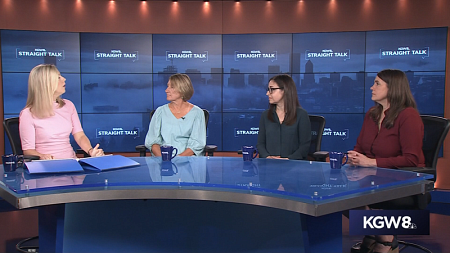
Ballmer Institute faculty join KGW’s Straight Talk to discuss practical ways parents and caregivers can support children and young people amid the ongoing youth mental health crisis.
Medscape reports on research led by Ballmer Institute assistant professor Ariel Williamson examining how an electronic screening tool can help primary care clinicians better identify and address children’s and adolescents’ mental health needs.
KLLC highlights how new legislation is supporting expanded training and systems change in children’s behavioral health.
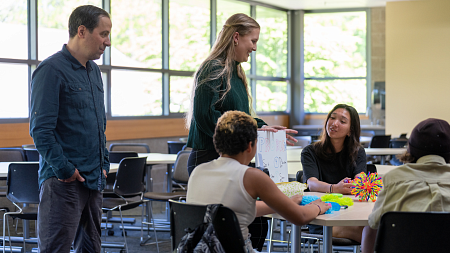
An Oregon News feature highlights how Ballmer Institute students apply their training through internships supporting children and families across Oregon.
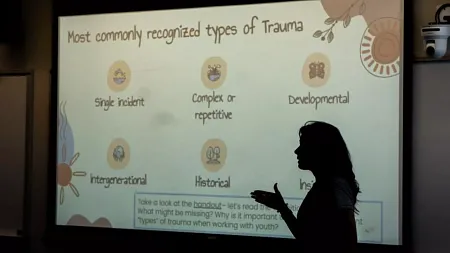
Assistant professor Ariel Williamson discussed evidence-based approaches to supporting youth mental health at a University of Oregon media forum, Oregon News reports.
An OPB report examines how the University of Oregon’s Ballmer Institute is growing its presence in Portland to support children’s behavioral and mental health through training, research, and community partnerships.
An Oregon Capital Chronicle report covers legislation introduced by Rep. Andrea Salinas to fund scholarships and grow the behavioral health workforce, echoing workforce development priorities central to the Ballmer Institute’s mission.
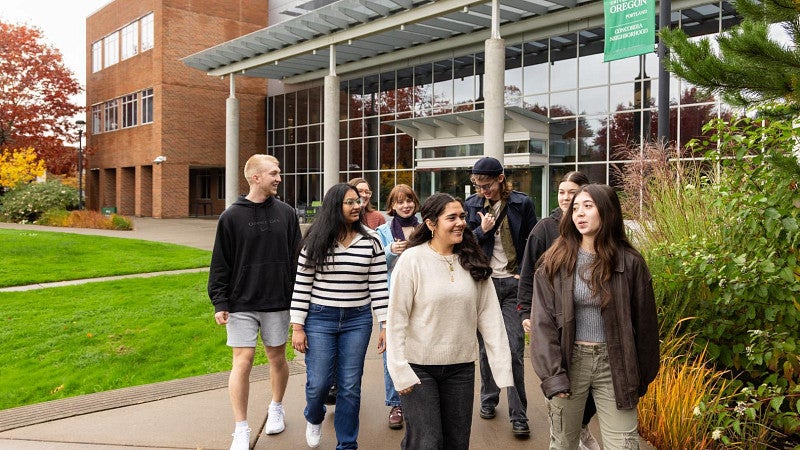
An Oregon News story marks the launch of the Ballmer Institute’s undergraduate program and the arrival of its inaugural cohort focused on children’s behavioral health.
The University of Oregon Office of the Vice President for Research and Innovation explores how sleep supports children’s emotional, cognitive, and behavioral development, drawing on research from assistant professor Ariel Williamson.
An OPB report examines how the University of Oregon’s fundraising strategy across Eugene and Portland includes expanding support for the Ballmer Institute and its work in children’s mental and behavioral health.
The column highlights the Ballmer Institute’s emerging national role in addressing youth mental health through education, workforce development, and prevention.
An Oregon News story highlights a new collaboration between the Ballmer Institute and UO Athletics aimed at expanding mental health support for student‑athletes.