Coverage of the Ballmer Institute's work to build a new children's behavioral health workforce.
The innovation hub will help partner universities build the country's first bachelor's degree-level child behavioral health profession.
The University of Oregon's Ballmer Institute for Children's Behavioral Health marks an early milestone in its school-based model for expanding the youth mental health workforce, reports The Oregonian.
The $15 million investment names the Tykeson Child Behavioral Health Building at the UO Portland campus and supports systemic change in youth behavioral health.
More Stories
The Ballmer Institute for Children’s Behavioral Health, along with Connie and Steve Ballmer, have received the 2023 Distinguished Friend to Behavior Therapy Award for their groundbreaking work to craft and implement a national model for a bachelor’s-level specialty training program in children's behavioral health.
An OregonLive story looks at how the Ballmer Institute is developing partnerships with local schools to strengthen student mental health support and address workforce needs.
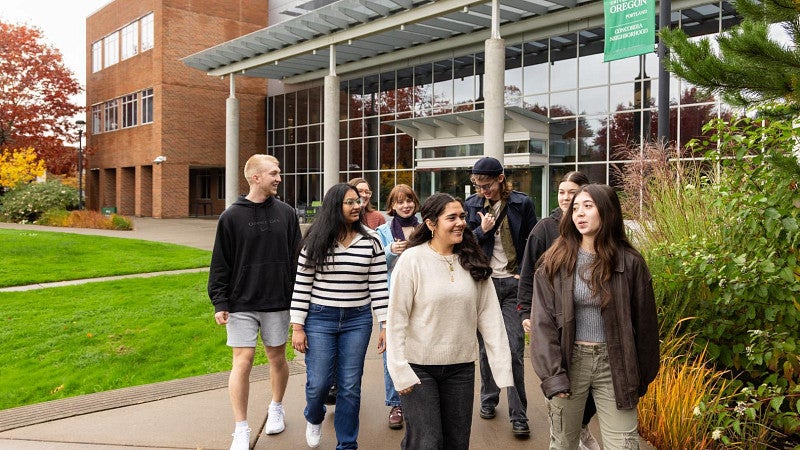
The story looks at how the program will be housed at the former Concordia University campus in Northeast Portland.
In a Wall Street Journal article on how money can help build brain power, incoming executive director Katie McLaughlin is quoted on the links between economic resources, early experiences, and children’s cognitive and emotional development.
The Ballmer Institute has been awarded a $50,000 Health Care Workforce funding grant from the Cambia Health Foundation to support community engagement efforts.
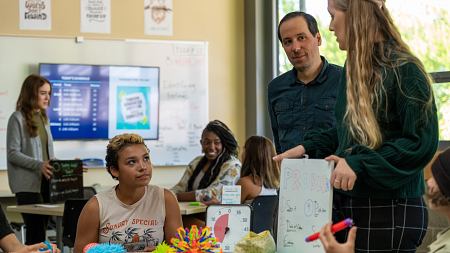
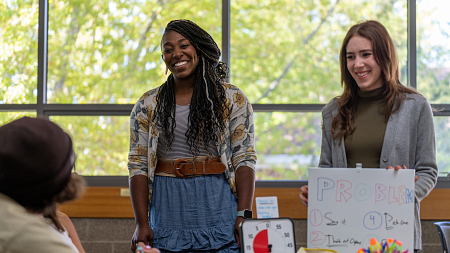
The three-course graduate-level microcredential offered by the Ballmer Institute for Children’s Behavioral Health at the University of Oregon Portland was created in response to a desire from educators to learn new techniques and tools that can be used in the classroom to help meet the growing behavioral health needs of their students.
A Dallas Morning News opinion column draws on research by Katie McLaughlin to argue for evidence‑based action to strengthen children’s mental health support.
A Portland Business Journal story highlights a panel discussion on workplace well‑being that included participation from the acting director of the Ballmer Institute alongside regional business and health leaders.
A Camas Post‑Record story reports on one of the first school district partnerships in Washington with the University of Oregon’s Ballmer Institute to support children’s behavioral health.
A new study from the Ballmer Institute's incoming executive director finds that robust social safety nets such as state-level anti-poverty policies may help mitigate the effects of poverty on children’s brain development.
The language that adolescent girls use in texts and on social media reflects day-to-day changes in their moods, new research from Ballmer Faculty Leadership Council member Nick Allen shows.
A USA Today story draws on research by Katie McLaughlin to examine how anti‑poverty programs can positively influence children’s brain development and long‑term health.
Researchers from the University of Oregon reviewed over 22,000 messages between 30 girls, ages 11 to 15, in Eugene, which showed day-to-day changes in their moods.
Both University of Oregon students and employees are urged to be aware of campus services, help others.
KEZI highlights research from Ballmer Faculty Leadership Council member Nick Allen examining how everyday digital communication patterns could help identify emerging mental health concerns among adolescent girls.