
undergraduate degree
bachelor's degree in child behavioral health
The nation's first bachelor's degree in child behavioral health, offered at the University of Oregon's Ballmer Institute in Portland. Students train to support the mental health of children and adolescents in schools, clinics, and communities and, beginning in 2027, are eligible for licensure in Oregon after graduation.
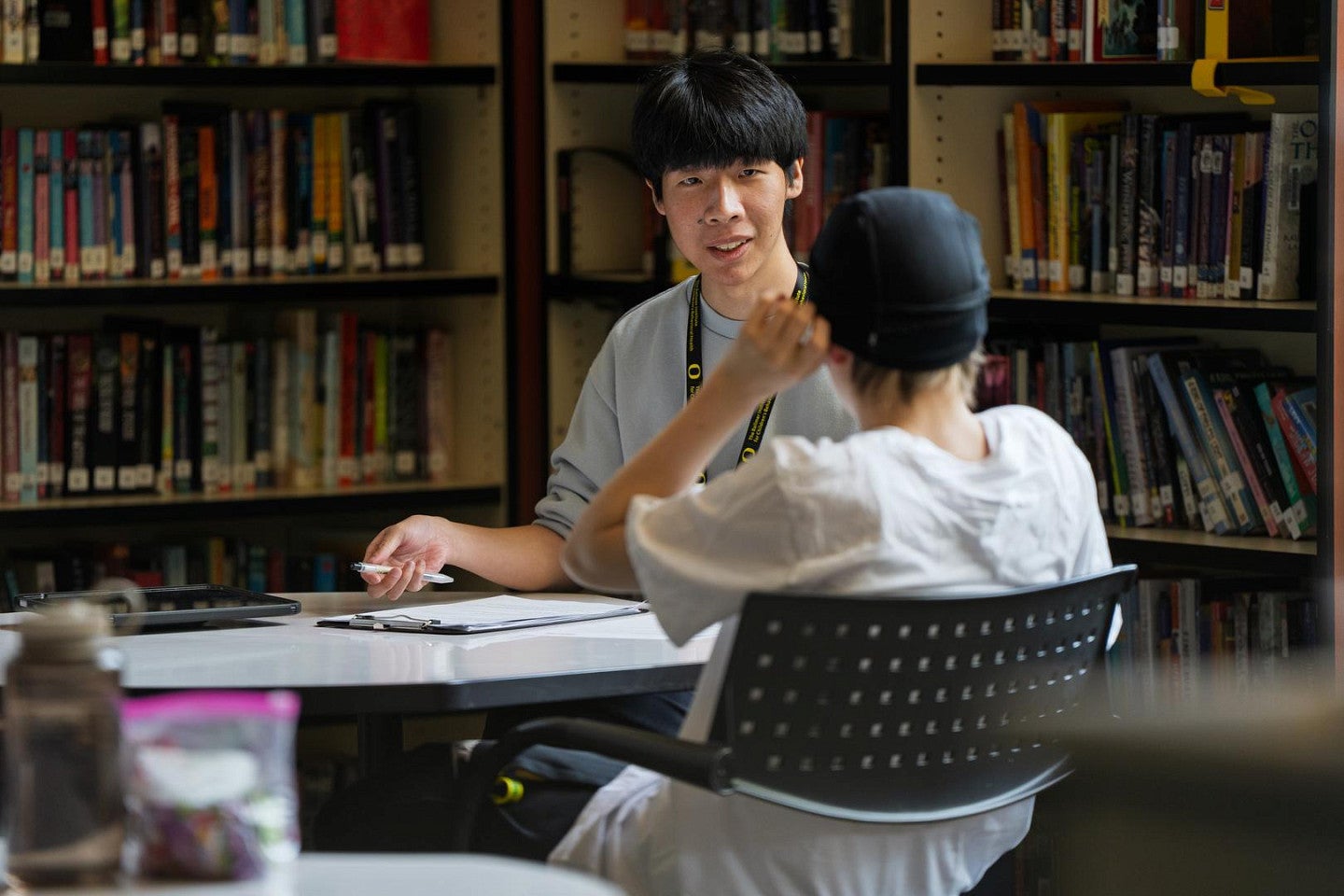
training the next generation of Child Behavioral Health Providers
The Ballmer Institute at University of Oregon offers the nation's first undergraduate degree in child behavioral health, preparing the next generation of behavioral health providers. Through a combination of coursework and supervised practice in the community, students develop the knowledge and skills needed to deliver evidence-based behavioral health services to youth and families.
Beginning in 2027, graduates will be eligible to pursue licensure in Oregon as Behavioral Health and Wellness Practitioners—a new pathway into the behavioral health workforce.
a 2+2 bachelor's degree program
Two years to prepare; two years to practice.
The child behavioral health major is a 2+2 program. You complete core education and pre-major coursework in your first two years—at the University of Oregon, a community college, or another institution—then finish at the Ballmer Institute on the UO Portland campus.
Years 1–2
Start at UO, a community college, or another institution
- Explore opportunities to engage with youth and families in community settings
- Complete core education requirements and pre-major coursework
- Prepare for advanced applied training and the transition to the major
Years 3–4
Clinical training at the Ballmer Institute in Portland
- Complete advanced coursework in child behavioral health
- Learn from clinical and behavioral health experts
- Train in supervised community placements (700+ hours total)
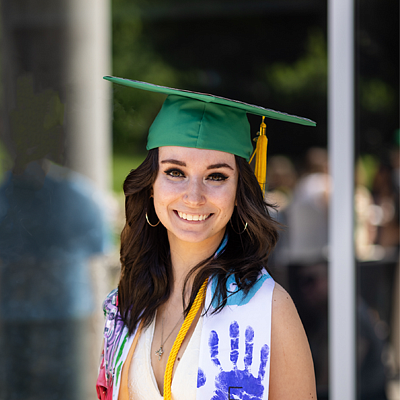
“I really wanted to become the kind of person that I wish I had in middle school, when I really needed someone to talk to when I started struggling with mental health.”
learning beyond the classroom
Graduate-level training, built into an undergraduate degree.
The child behavioral health major integrates specialized clinical training usually reserved for graduate study into 90 credit hours of upper-division coursework. Students learn to support children, teens, and families using evidence-based, culturally responsive practices, with an emphasis on early identification, prevention, and intervention.
Coursework
What you'll learn
- Screening and early identification of behavioral health concerns
- Interventions that prevent mental health concerns, reduce symptoms, and improve functioning
- Strategies to increase healthy behaviors
- Responsive and accessible practices for youth and families
applied practice
What you'll do
- Provide individual and small-group support
- Build rapport with youth and families through active listening
- Support problem-solving, goal setting, and emotional regulation
- Teach communication and relaxation strategies
- Coach and collaborate with parents and teachers
- Screen youth and monitor progress over time
practicum sites
Where you'll train
Every student completes supervised training in community settings, guided by Ballmer Institute faculty and on-site supervisors.
- Behavioral and mental health agencies
- K–12 schools
- Early learning centers
- Youth and family service organizations
- Prevention and early intervention programs
- Pediatric clinics and hospitals
After Graduation
Careers in child behavioral health
Graduates are prepared for bachelor's-level behavioral health provider roles, working as part of a care team alongside psychologists, counselors, social workers, and pediatric providers. They focus on early identification and intervention—supporting children and teens before concerns escalate—in community mental and behavioral health agencies, K–12 schools and after-school programs, health and social service organizations, pediatric clinics, and youth-serving nonprofits.
The major also provides a foundation for graduate study in psychology, counseling, social work, and public health.
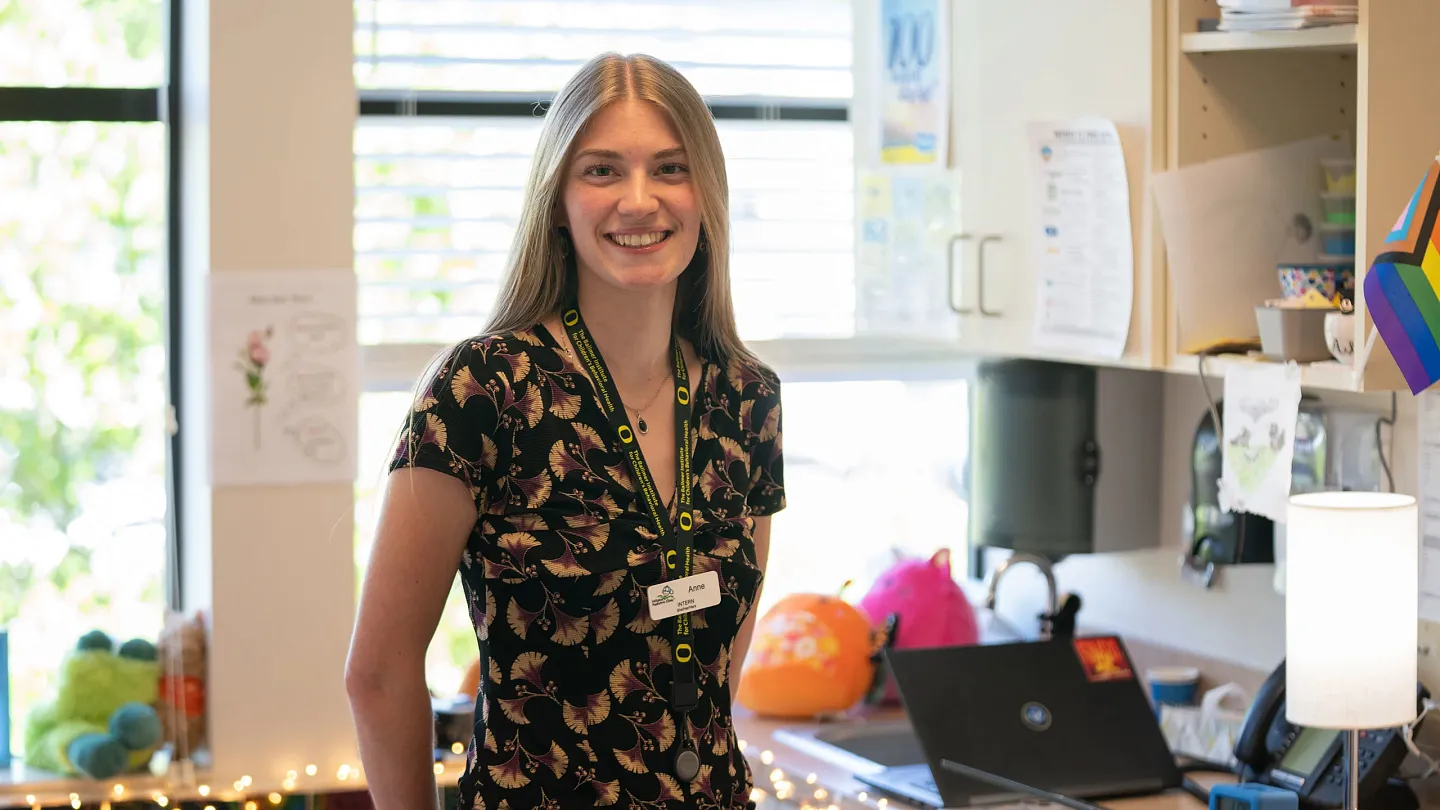
licensure
A New Licensed profession, starting in 2027
Beginning January 1, 2027, graduates will be eligible to apply for licensure through the Oregon Board of Psychology as licensed Behavioral Health and Wellness Practitioner—a new profession created by the Oregon Legislature to meet growing demand for behavioral health support.
The license requires a bachelor's degree from an approved program and at least 700 hours of supervised practice. Graduates of the child behavioral health major will be among the first in Oregon, and in the nation, to enter this new licensed profession.
Where you'll live and learn
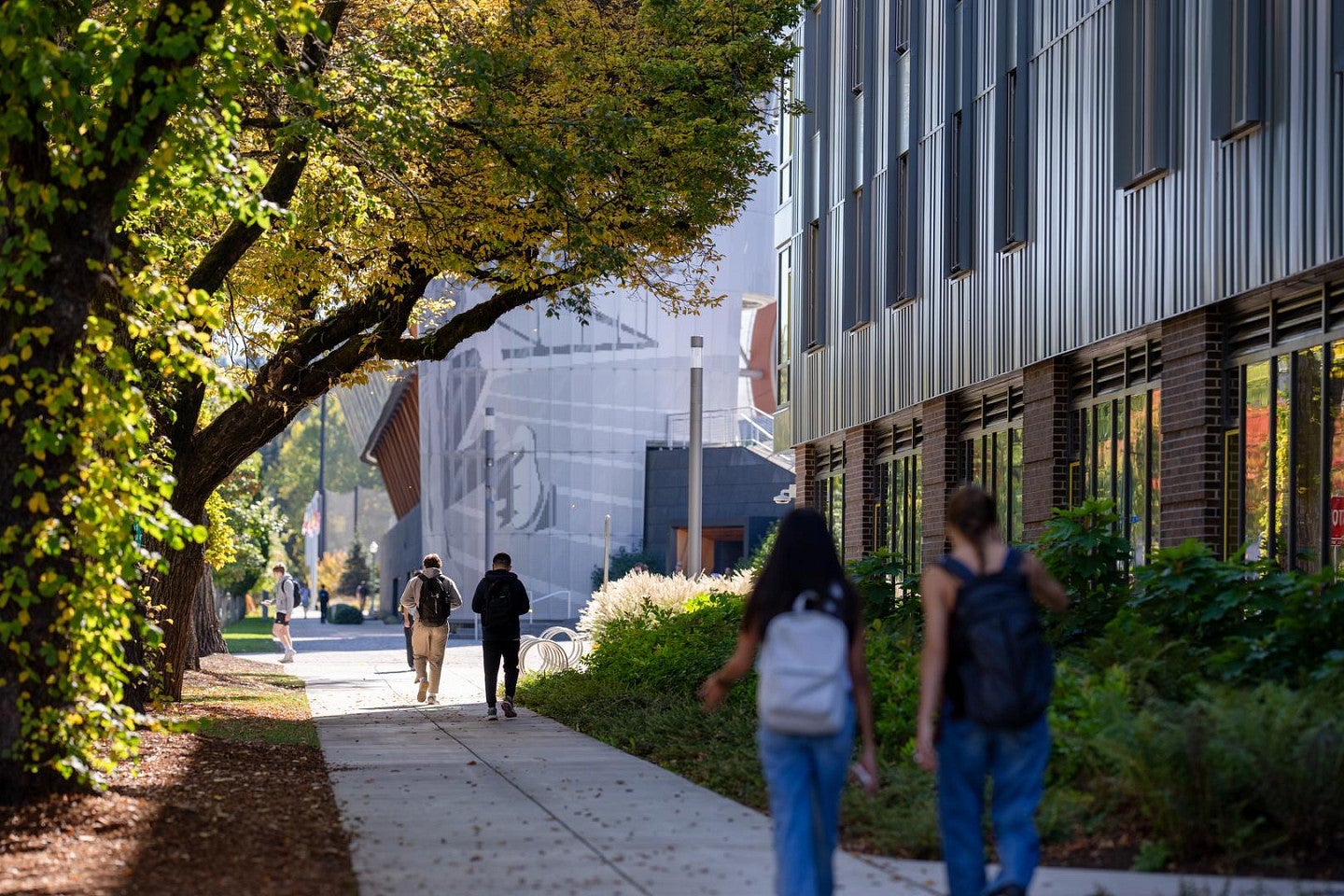
Residential community
The Ballmer Institute Arc
Students interested in children's mental health can live and learn together in the Ballmer Institute Academic Residential Community, housed in the New Residence Hall on the UO Eugene campus. Any student living on campus can apply.
- A year-long seminar on child behavioral health
- A behavioral health course taken alongside your community
- Academic and social events with faculty and peers
- A field trip to the Ballmer Institute in Portland
Neighborhood and housing
Life in Portland
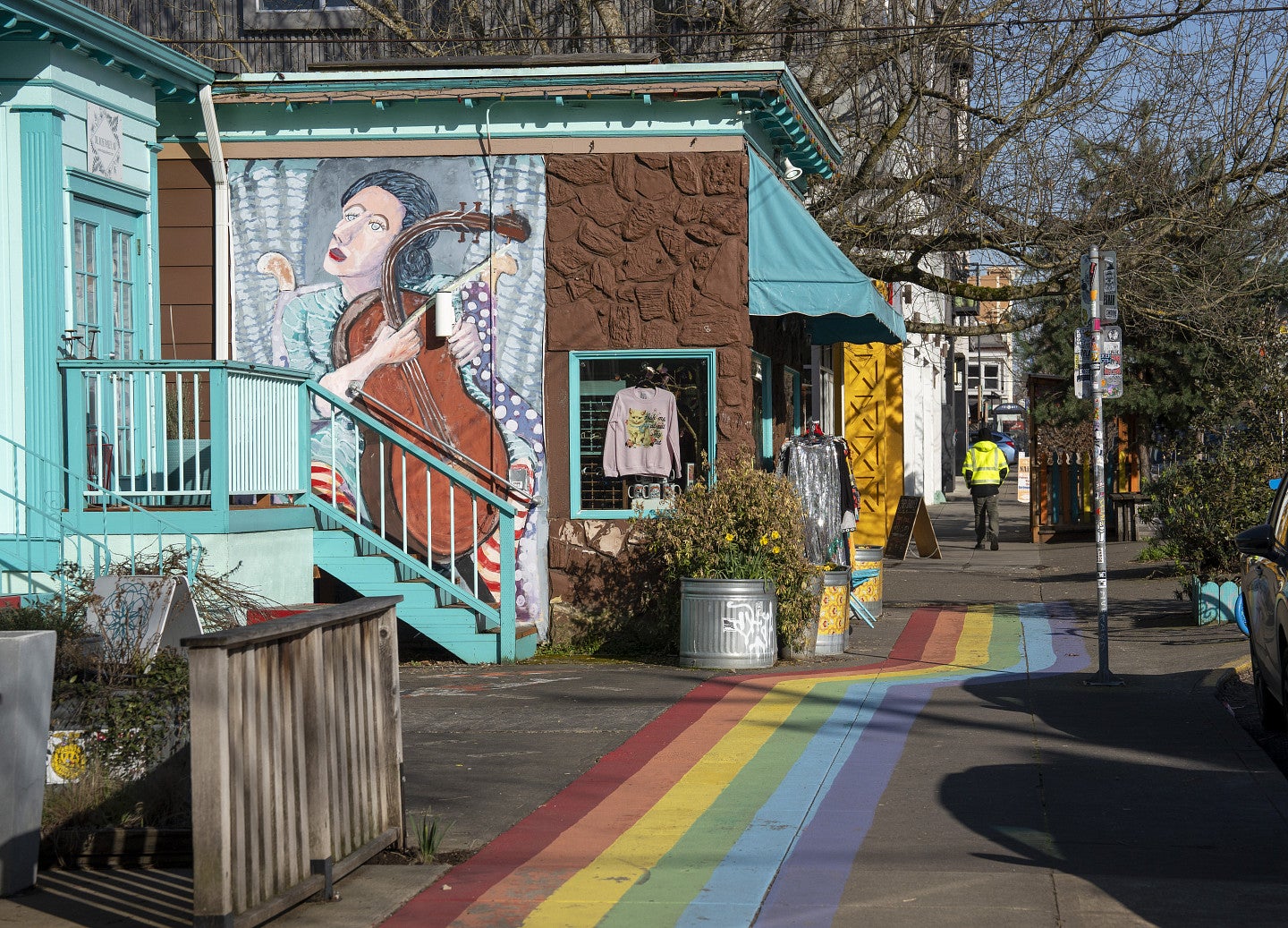
UO Portland sits in Concordia, a walkable neighborhood in Northeast Portland. Apartment-style housing is a five-minute walk from classes, with off-campus options nearby and transit and bike routes into the rest of the city.
Steps from campus:
- Coffee shops, bakeries, and restaurants
- Independent bookstores and local shops
- Parks and green spaces
- Bike-friendly streets and public transportation
Financial support for the path ahead
Two scholarships created for this major reduce financial barriers so you can focus on your education and clinical training.
Most comprehensive award
The Ballmer Scholarship
Up to full cost
Oregon residents. Non-residents: full tuition and fees.
Covers tuition, fees, and living expenses through a combination of grants and scholarships for up to four years—two years for transfer students.
- For incoming first-year and transfer students
- Requires a 3.50 GPA, demonstrated financial need, and the FAFSA or ORSAA
For the final two years
The Trailblazer Award
$10,000/yr
Residents and non-residents alike.
Renewable for up to two years. Awarded to child behavioral health majors transitioning to UO Portland who are not receiving the Ballmer Scholarship.
- Must be enrolled in the child behavioral health major
- Not a current Ballmer Scholarship recipient
Ready to take the next step?
Wherever you are in your college journey—starting at UO, transferring from a community college, or coming from another four-year school—there's a path into the child behavioral health major.
Still have questions?
Meet with an advisor, tour the Eugene campus, or attend an upcoming event.